
Heart Attack at This Age? The Question That Hurts More Than People Realize
There is a moment that changes everything.
You may still be in your 20s or 30s.
At this age, life usually feels full of dreams, work pressure, family expectations, friendships, relationships, and plans for the future.
Then, suddenly, one doctor’s sentence makes you feel older than your age:
“You have to take care of your heart.”
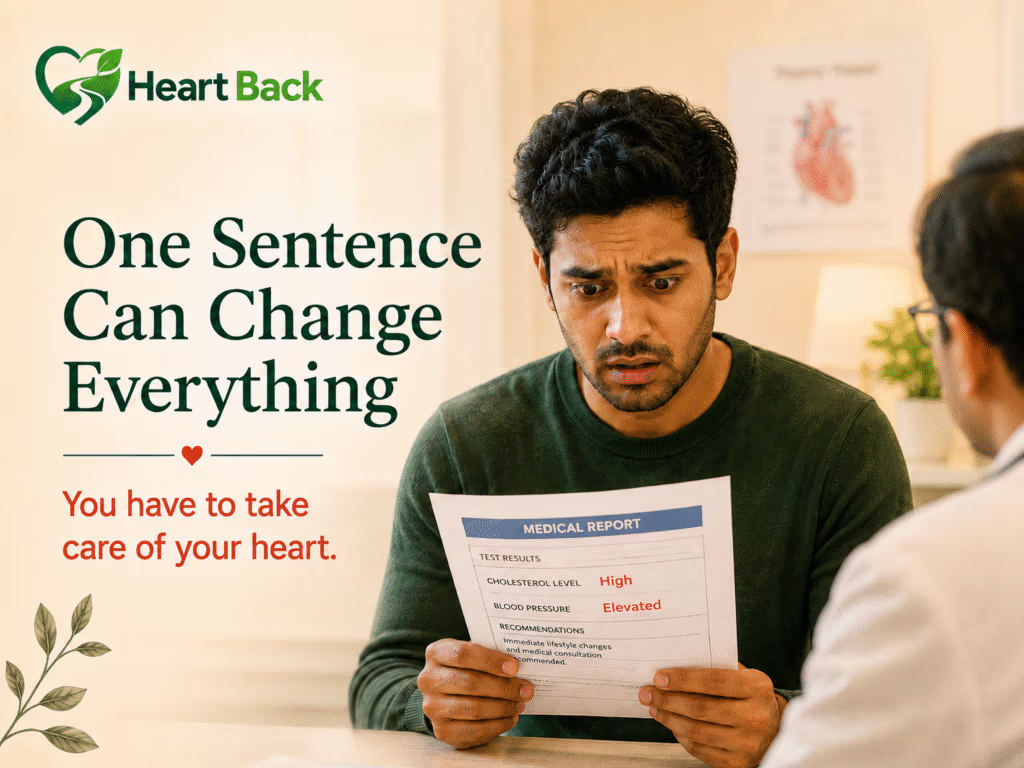
That one line does not sound small.
After that, people start asking different questions.
Heart attack, arteries blockage “Heart problem at this age?”
“Cholesterol issue also?”
“Oily food is risky for you now?”
“Do you feel breathless while walking?”
“Are stairs difficult for you?”
“Medicines have started?”
“Is your heart okay now?”
At first, these questions may look normal from the outside.
However, for a young person, they hit differently. We discussed the increasing heart attack risk in youngsters. in our earlier article.
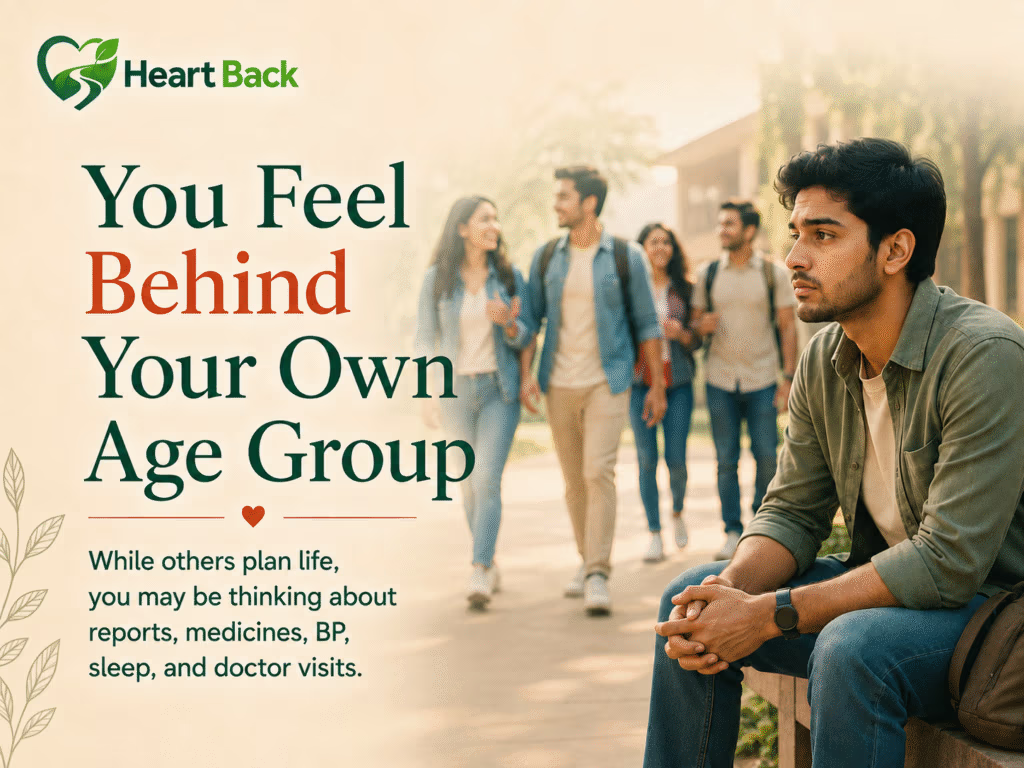
Deep inside, it starts feeling like you are no longer standing with your own age group.
On one side, your friends are planning trips, parties, careers, relationships, food outings, late nights, and future goals.
On the other side, your mind is stuck on reports, medicines, cholesterol, BP, walking, diet, sleep, stress, and doctor visits.
Therefore, that feeling becomes heavy.
More than a health issue, it slowly becomes an identity shock.
The Pain Is Not Only Physical
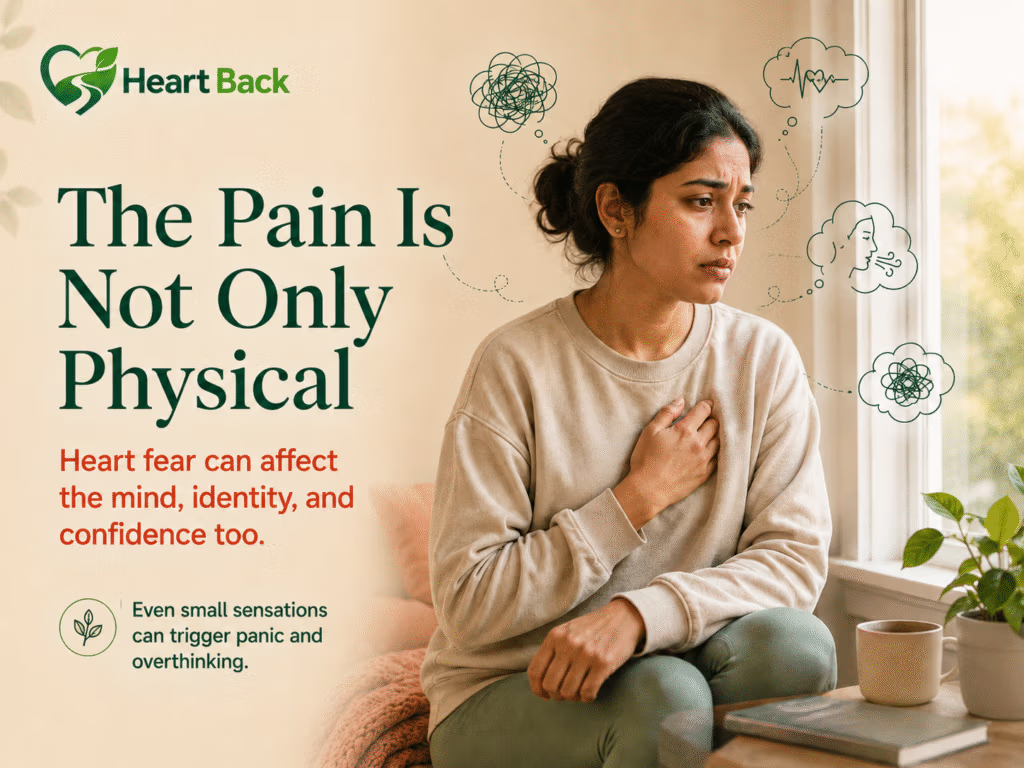
When young people face heart fear, blockage, chest pain, heart attack, cholesterol issues, or lifestyle-related health problems, the body is affected.
However, the mind is also shaken.
Suddenly, many questions start running in your head.
You wonder whether life can feel normal again.
At the same time, you worry about being called a heart patient forever.
Then, food also becomes confusing because even outside meals start feeling risky.
Travel feels uncertain.
Work pressure feels heavier than before.
Exercise creates doubt instead of confidence.
Even enjoyment starts coming with fear.
Meanwhile, family worry makes everything feel more serious.
Eventually, one painful question keeps coming back:
“Am I becoming weak?”
This is why heart fear at a young age is not just medical.
It becomes emotional.
Then, it becomes social.
Slowly, it becomes mental.
Finally, it becomes deeply personal.
In front of people, you may still smile.
But inside, you keep checking your body again and again.
A little chest tightness feels scary.
Even mild breathlessness creates panic.
One small pain can make your mind run toward the worst thought.
Sometimes, normal tiredness also starts feeling dangerous.
Along with that, your mind may even imagine worst-case situations — like something sudden happening, or a clot reaching the brain.
Even when nothing is happening in that moment, the fear itself can make your body feel unsafe.
That is why heart fear can become mentally exhausting.
Sadly, many young heart patients and survivors carry this hidden fear silently. We discussed about stress management earlier.
You Feel Behind Your Own Age Group
One of the hardest feelings is this:
“Why me, at this age?”
When you are young, your body is supposed to feel like your support system.
Normally, youth means energy, freedom, confidence, and strength.
But once someone tells you to be careful with oil, cholesterol, stress, walking, weight, sleep, and medicines, life suddenly feels different.
It feels like you have been pushed into a category you never imagined for yourself.
Meanwhile, your friends seem to be moving forward.
You may feel stuck in health fear while everyone else is living normally.
Still, this is where the real comeback can begin.
Being young with heart fear does not mean life is over.
Instead, it means your body has given you a serious warning.
If you listen to that warning, life can become more disciplined, more aware, and more meaningful than before.
HeartBacks Exists for This Exact Feeling
HeartBacks is created for people who understand this fear.
This space is for young people who got scared.
It is also for people who heard words like blockage, cholesterol, BP, heart attack, stress, or lifestyle change.
After reports and doctor visits, many people feel confused.
Most importantly, HeartBacks is for those who want to rebuild but do not know where to start.
HeartBacks is not about panic.
Instead, it is about awareness.
Here, we talk about real journeys.
We also talk about simple lifestyle change.
For example, we talk about walking a little, eating better, sleeping better, managing stress, and asking better questions to doctors.
Slowly, the goal is to help people get confidence back.
Lifestyle Change Is Not Punishment
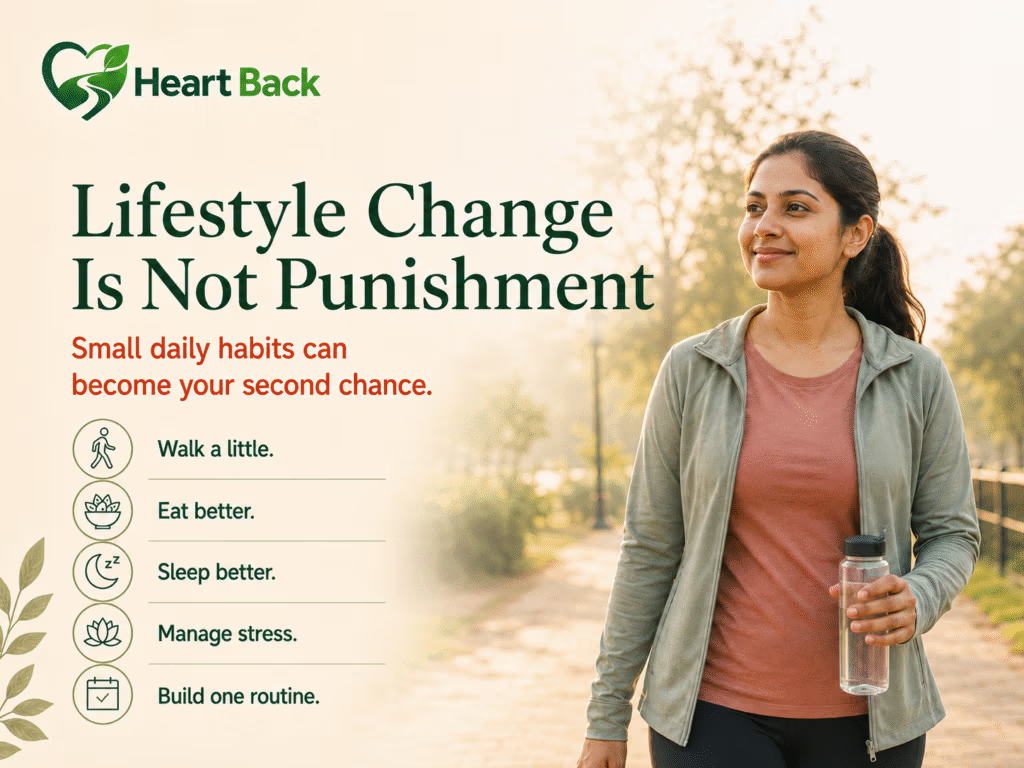
Many people think lifestyle change means punishment.
They imagine no oily food, no enjoyment, no late nights, no outside food, no fun, and only restrictions.
In reality, lifestyle change should not feel like jail.
It should feel like a second chance.
A better lifestyle can support your heart.
At the same time, it can also support your whole body.
With better habits, energy can improve.
Digestion may feel better.
Sleep can become deeper.
Mood may become calmer.
Breathing can feel easier.
Confidence can slowly return.
As a result, daily life can feel more in control.
When you take care of your heart, you are not only protecting one organ.
You are rebuilding your whole life.
The Goal Is Not to Become Perfect
You do not need to become perfect in one day.
There is no need to suddenly become a fitness model.
Also, every meal does not need to become perfect overnight.
Walking 10 kilometers from day one is not required.
Likewise, fear will not disappear instantly.
Instead, start small.
Begin with a short walk.
Then, reduce one bad habit.
After that, try to sleep a little better.
Next, eat one cleaner meal.
Also, talk about your fear instead of hiding it.
Most importantly, understand your reports, follow your doctor, and build one routine.
Small steps matter.
Because the person who changes slowly but consistently can go much farther than the person who starts aggressively and quits in one week.
You Are Not Alone
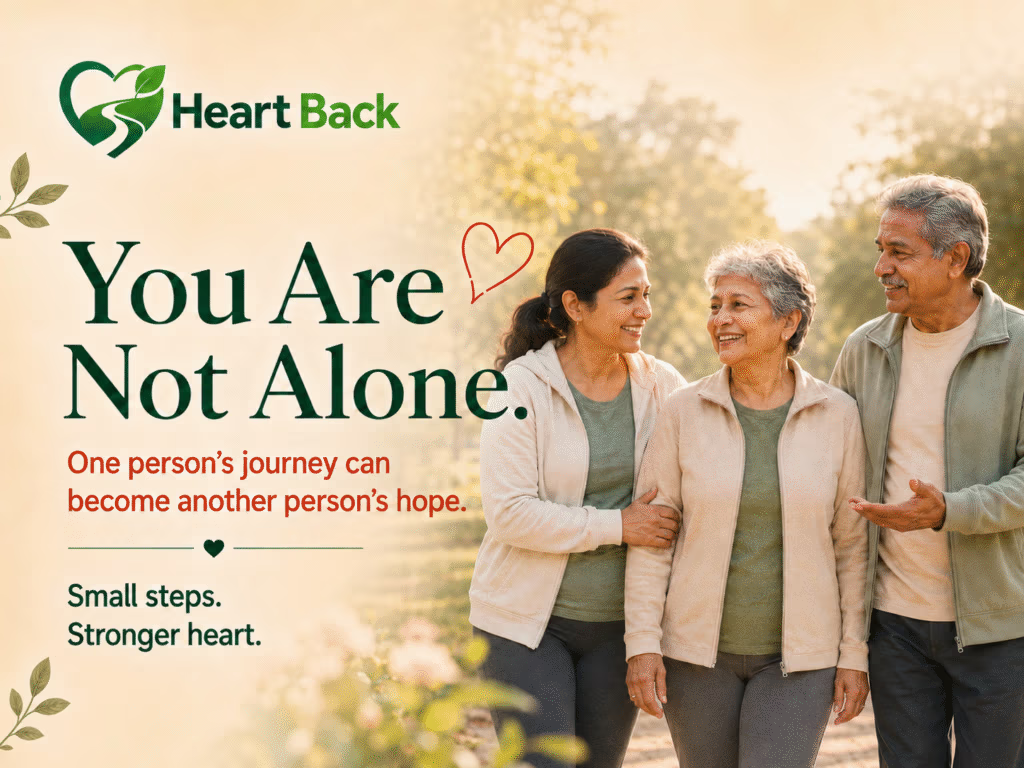
If you are young and dealing with heart fear, remember this:
You are not weak.
This is not the end.
Your life is not behind forever.
Most importantly, you are not alone.
Many people are silently fighting the same fear.
One person may be dealing with cholesterol.
Another may be dealing with blockage.
Someone else may be recovering after a heart attack.
Many are scared after chest pain.
Meanwhile, others are trying to reduce stress, fix food habits, or walk again with confidence.
This is why HeartBacks wants to bring these stories together.
One person’s journey can become another person’s hope.
So, what matters…
Being told that you have a heart problem at a young age can break your confidence.
At the same time, it can also wake you up.
It teaches you that health is not something to ignore.
Soon, stress also starts looking serious.
Then, food, sleep, walking, and routine begin to matter more.
Eventually, life starts asking for care, not just ambition.
A heart scare can feel like the end of youth.
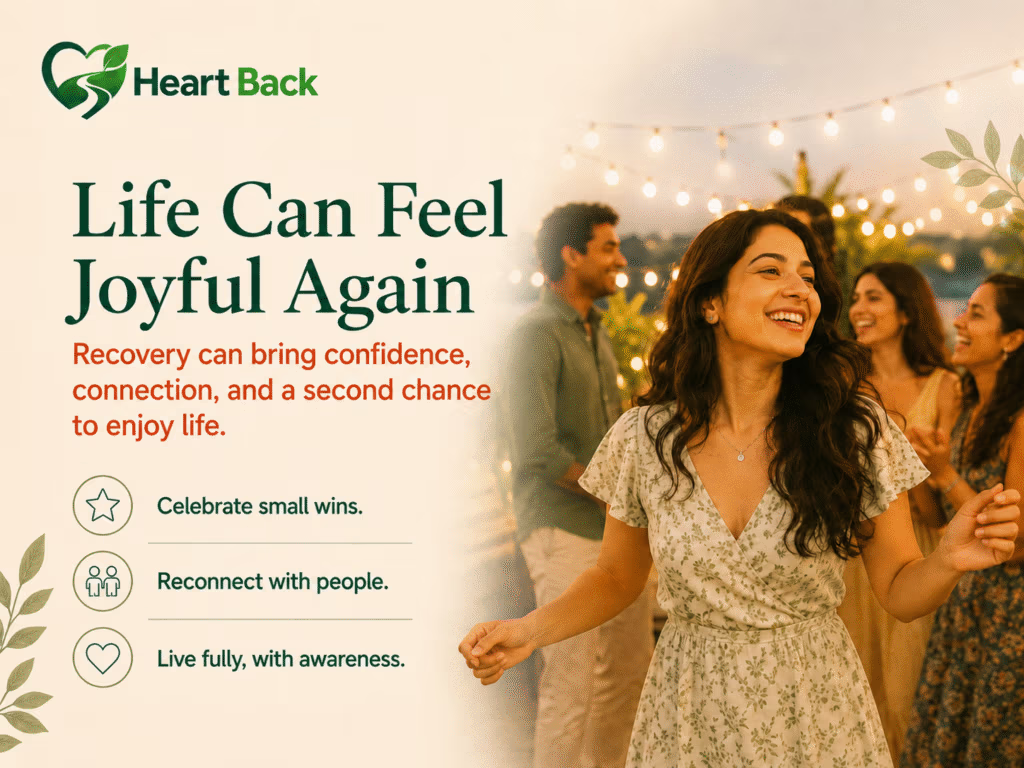
However, with awareness, discipline, support, and doctor-guided care, it can also become the beginning of a stronger life.
Recovery is not only about surviving the fear.
It is also about feeling better again — better blood flow, better oxygen support, less stress, less tiredness, and more confidence in daily life.
Slowly, you start enjoying simple things again.
And that is when healing begins to feel real.
No worries — this journey does not have to feel lonely. Heart Back exists to spread awareness, share guidance and knowledge, and walk with people through this challenge one step at a time. The goal is not only to reduce fear, but to help you feel fitter, lighter, more confident, and more alive again. With the right lifestyle, better habits, and doctor-guided care, you can slowly move from “I am a heart patient” to “I am rebuilding my life.” And when one person rebuilds, their journey can motivate another person to believe that recovery, confidence, and joy are possible again. This is the chain Heart Back wants to create.
A famous real-life example is former U.S. President Bill Clinton. After heart-related procedures, including bypass surgery and later stents, he made major lifestyle changes, including changing his diet and losing weight. His story reminds us that even people with big pressure, public life, and serious health scares can rebuild habits with the right guidance and discipline.
Get Your Heart Back.
One step.
One habit.
One day at a time.